Source Manual Screwdriver for Building, Repair, and Industrial Use
Source manual screwdriver tools from 30 verified listings. Compare features like high carbon steel construction, slotted heads, and customized packaging options for indoor and outdoor applications. Explore multifunctional designs, professional hand tools, and various sizes to meet your specific project needs efficiently.
Key considerations
Products List


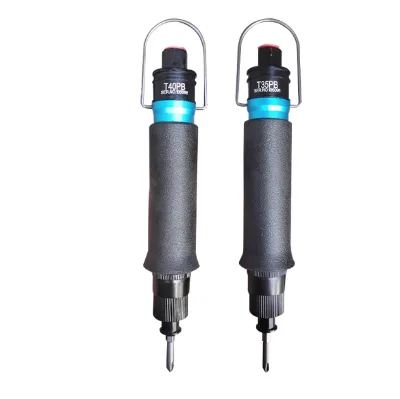


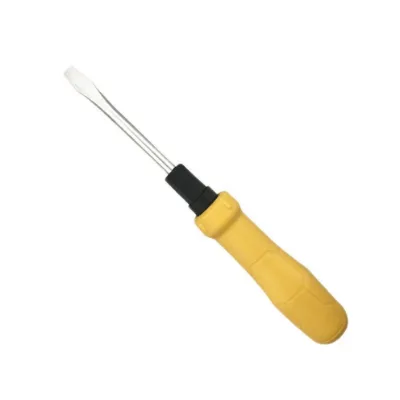
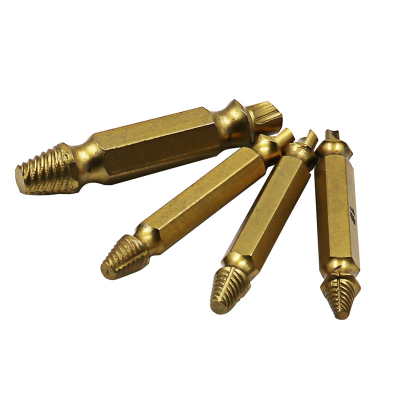


Comprehensive Sourcing Guide
Manual Screwdriver Sourcing Guide
The global market for manual screwdrivers presents a diverse array of options ranging from basic slotted tools to multifunctional units designed for professional repair and building decoration. Buyers must navigate a landscape where product attributes vary significantly, with some units featuring high carbon steel construction while others utilize chrome vanadium steel for enhanced durability. The observed listings indicate a wide spectrum of customization capabilities, including options for colored handles and customized logos, which allows procurement teams to align tool specifications with specific brand identities or operational requirements.
Procurement decisions should prioritize the intended application environment, as the data reveals tools suitable for both indoor and outdoor use alongside specialized units for product repair. The structural design varies from straight bars to multifunctional models, with some units explicitly marked as unadjustable while others offer adjustable features. Understanding these distinctions is critical for selecting the right tool, as the choice between a simple slotted screwdriver and a complex multifunctional bit holder directly impacts workflow efficiency and the longevity of the equipment in demanding industrial settings.
Product Scope and Observed Listing Signals
Buyers analyzing the current market must account for the significant variance in product models and physical dimensions observed in active listings. Specifications range from compact units measuring 80mm to larger assemblies with dimensions around 340330240mm, indicating that a single SKU rarely covers all operational needs. The presence of gravity-type feeders and specific screw-feeding speeds suggests that some listings may actually represent automated or semi-automatic systems rather than purely manual hand tools, requiring careful verification of the actual mechanism before placing an order.
Packaging and presentation also serve as key signals for the intended market segment, with options ranging from individual shrink-wrapped units with warning labels to bulk cartons containing 240 pieces. The material composition is a primary differentiator, with high carbon steel and chrome vanadium steel being the dominant choices for professional-grade instruments. Procurement teams should scrutinize the "Product Name" and "Type" fields closely, as terms like "Professional Hand Tool Screwdriver" and "Professional Hand Tool Bit Holder" denote distinct functional categories that may require different sourcing strategies and quality assurance protocols.
Technical Specifications to Verify
Technical due diligence must begin with a rigorous verification of the material composition, as the integrity of the screwdriver tip is paramount for preventing slippage and damage to fasteners. The supplied data highlights high carbon steel and chrome vanadium steel as the primary materials, yet buyers must confirm the specific alloy grade and heat treatment process for each batch to ensure the tool meets the required hardness and toughness standards. Without this verification, there is a risk of acquiring tools that deform under torque, leading to increased downtime and potential safety hazards during assembly or repair tasks.
The structural design and functional capabilities require equally detailed scrutiny, particularly regarding the screw head type and the adjustability of the tool. While some listings specify a slotted head type and a straight structure, others describe multifunctional capabilities with adjustable features, creating a complex matrix of compatibility issues. Buyers must cross-reference the listed voltage and automation levels, as the presence of "AC High Voltage" and "Semiautomatic" attributes in a manual tool listing suggests a potential data entry error or a hybrid machine that requires distinct safety and operational protocols compared to standard hand tools.
Compliance and Safety Documentation
Safety compliance is a non-negotiable aspect of sourcing, especially when tools are marketed for professional use in both indoor and outdoor environments. The presence of "Warning Label" requirements in the packaging specifications indicates that regulatory bodies expect clear communication of hazards to the end-user. Procurement teams must verify that the supplier provides documentation confirming the inclusion of these labels and that the product design adheres to relevant ergonomic and safety standards to minimize the risk of user injury during repetitive tasks.
Certification status, while often mentioned in general market contexts, requires specific validation against the actual product batch rather than relying on broad claims. The data mentions ISO certification as a potential attribute, but buyers must demand current, valid certificates that specifically cover the manufacturing facility and the product line in question. Relying on unverified certification claims can lead to liability issues, particularly if the tools are used in regulated industries where equipment failure could result in significant financial loss or personal harm.
Cost Drivers and Commercial Terms
Cost structures in the manual screwdriver market are heavily influenced by the complexity of the product, the material grade, and the level of customization required. Listings show a price range from 0.22 to 3395 USD, a disparity that reflects the difference between basic hand tools and complex, semi-automatic systems or large bulk orders. Buyers must analyze whether the high-end pricing corresponds to genuine value-added features like specialized steel alloys or advanced packaging, or if it simply reflects the inclusion of automated components that may not be necessary for their specific application.
Commercial terms such as Minimum Order Quantity (MOQ) and lead times vary significantly, with observed ranges from 1 to 2400 units. The high MOQs observed in some listings suggest that suppliers may be targeting large-scale industrial contracts rather than small-batch procurement. Buyers should negotiate terms that align with their inventory turnover rates, ensuring that the cost per unit remains competitive while avoiding the capital tie-up associated with excessive stock levels. Understanding the relationship between packaging density, such as 240 pieces per carton, and shipping costs is also essential for optimizing the total landed cost.
Supplier Qualification and Quality Control
Supplier qualification should focus on the consistency of production capabilities and the ability to maintain strict quality control across different product lines. The data indicates that suppliers offer OEM services and customized logos, which implies a level of manufacturing flexibility that must be backed by robust quality management systems. Buyers must verify that the supplier has the capacity to maintain the specified standards, such as the 65mm-240mm size range or the specific 80mm dimensions, without compromising the structural integrity or finish of the tools.
Quality control protocols must extend beyond the final inspection to include raw material verification and process monitoring. Given the variation in materials like high carbon steel and chrome vanadium steel, suppliers should provide traceability records for each batch to ensure consistency. The presence of "New" condition items and specific packing standards like wooden boxes or plastic bags suggests that the supplier has established procedures for handling and storage, which are critical for preventing damage during transit and ensuring that the tools arrive in perfect working order.
Long-Term Procurement Checks
Establishing a long-term procurement strategy requires regular audits of supplier performance and product consistency over time. Buyers should implement a schedule for periodic re-verification of material specifications and functional performance to ensure that the tools continue to meet the original requirements as production processes evolve. This proactive approach helps identify any drift in quality or changes in material composition that could affect the reliability of the tools in critical applications.
Continuous monitoring of market trends and supplier capabilities is also essential for maintaining a competitive edge in procurement. As the market offers a wide range of models from basic slotted screwdrivers to multifunctional units, buyers must stay informed about new technologies and design improvements that could enhance their operations. By maintaining a dynamic relationship with suppliers and regularly reviewing the product scope, organizations can ensure they are always equipped with the most effective and reliable tools for their specific needs.
FAQs
Can I customize the logo on manual screwdrivers?
Yes, customized logos are available for manual screwdrivers. Buyers can request specific branding to be applied to the product. This service supports professional tool suppliers seeking unique inventory. The customization option allows for distinct visual identity across different tool sets. It is suitable for both indoor and outdoor application tools.
What material are these manual screwdrivers made from?
These manual screwdrivers are primarily made from high carbon steel or chrome vanadium steel. High carbon steel provides durability for professional use. Chrome vanadium steel offers enhanced strength and resistance. Both materials ensure the tools remain effective for product repair and building decoration tasks. The choice depends on specific performance requirements.
What is the typical MOQ for manual screwdrivers?
The minimum order quantity ranges from 1 to 2400 pieces. This wide range accommodates both small sample orders and large bulk purchases. Buyers can select quantities based on their immediate needs. The flexibility allows for testing market response before committing to larger volumes. It supports diverse procurement strategies for global buyers.
Are these manual screwdrivers adjustable or fixed?
Most listed manual screwdrivers are unadjustable with a straight bar style. Some variants may feature adjustable components for specific tasks. The standard design focuses on fixed functionality for reliability. This ensures consistent performance during professional use. Buyers should verify the specific model details for adjustment capabilities.
How are manual screwdrivers packaged for shipping?
Packaging options include individual color labels, warning labels, and shrink wrap. Bulk packaging is also available for larger orders. Some items come in wooden boxes or cartons. Plastic bags and blister cards are used for retail-ready sets. The packaging ensures protection during transit and storage.
What certifications do these manual screwdrivers have?
ISO certification is available for many manual screwdriver models. This indicates adherence to international quality management standards. Buyers can request documentation to verify compliance. The certification supports professional procurement requirements. It ensures the tools meet specific industry benchmarks for safety and performance.